*This post may contain affiliate links for which I earn commissions.*
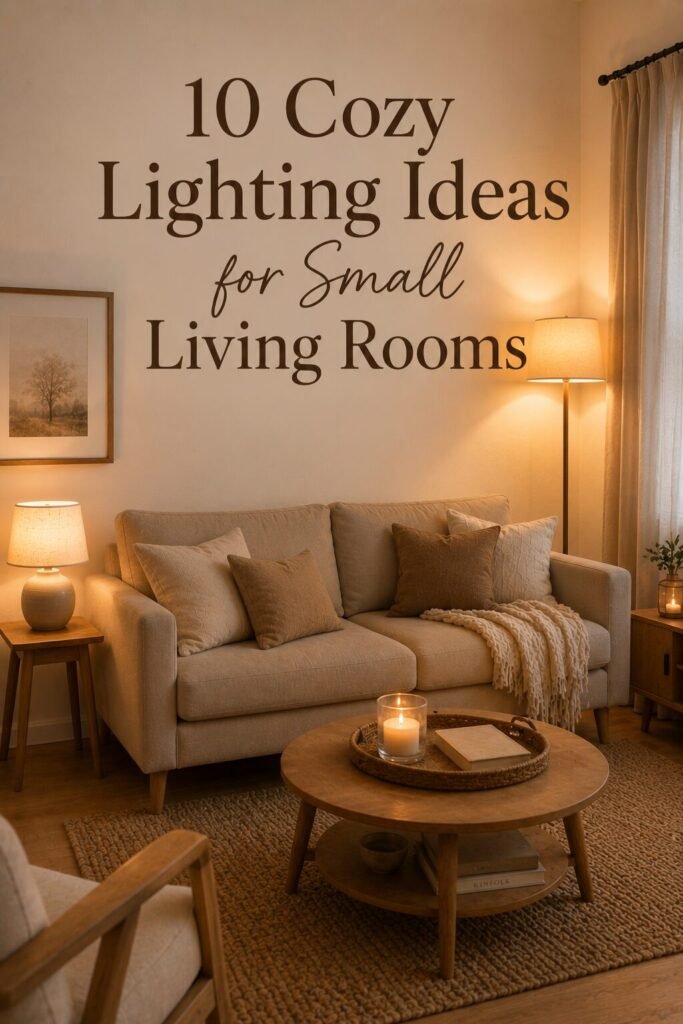
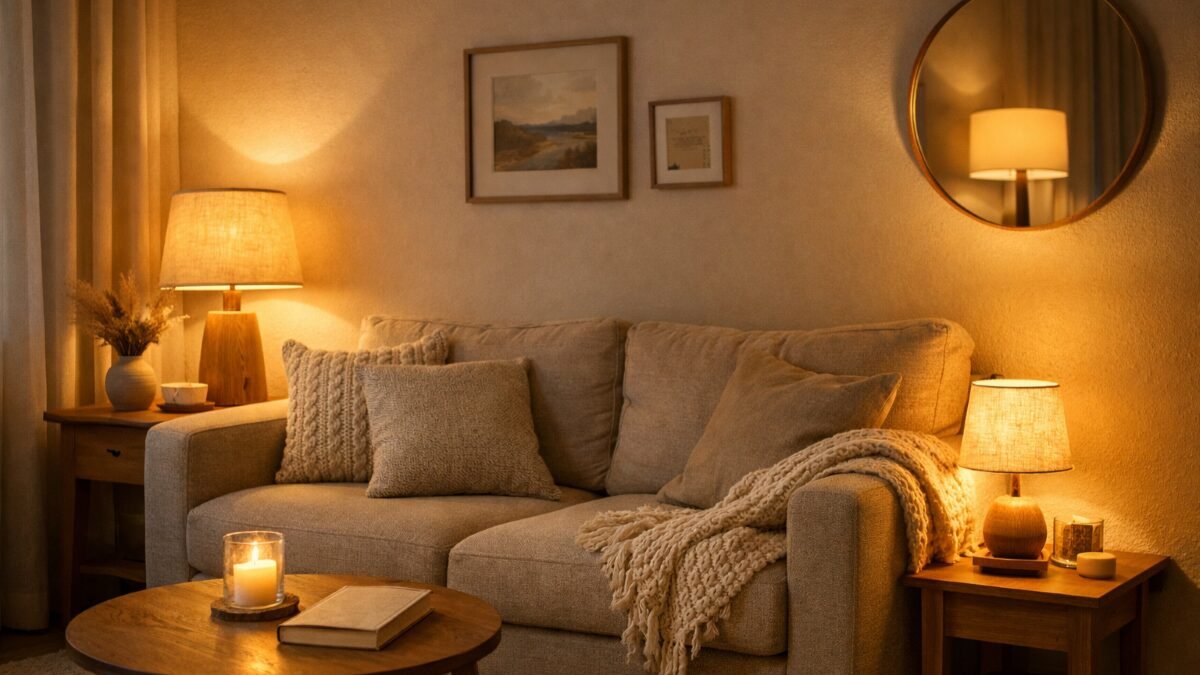
Lighting quietly shapes how a small living room feels. I’ve learned that the difference between a room that feels cramped and one that feels calm often comes down to where the light falls.
In small spaces, one overhead light rarely does the job. It tends to flatten the room and leave corners dim. When I began layering lighting in my own small living spaces, the room started to feel warmer, softer, and more intentional.
The good news is that cozy lighting doesn’t require a full redesign. A few thoughtful choices can make a small living room feel balanced and comfortable.
Here are the lighting ideas I return to again and again when working with small but smart living rooms.
Why Lighting Matters in Small Living Rooms
Small rooms react strongly to lighting. A single harsh ceiling light can make everything feel tight, while softer lighting spreads the focus across the room.
I like to think of lighting as a quiet design tool. It helps guide the eye and soften the edges of a compact layout.
In a small living room, good lighting helps you:
• reduce dark corners
• create a sense of depth
• highlight functional areas like reading or relaxing
• add warmth without adding clutter
The goal isn’t brightness, it’s balance.
A few smaller light sources usually feel calmer than one strong overhead fixture.
The Golden Rule: Layer Your Lighting
When I plan lighting for a small living room, I follow a simple rule. Every room should have three types of light working together.
This approach keeps the space functional while still feeling relaxed.
Ambient Lighting
Ambient lighting is the general light in the room. In small living rooms, this is usually a ceiling fixture, flush mount, or pendant.
I prefer warm bulbs and soft diffused shades so the light spreads evenly without feeling harsh.
Task Lighting
Task lighting supports specific activities like reading or working.
Examples include:
• floor lamps beside a sofa
• table lamps on side tables
• adjustable reading lamps
These lights make the room more functional without relying on the overhead light.
Accent Lighting
Accent lighting adds atmosphere. It’s often subtle, but it changes how the room feels.
Examples include:
• wall sconces
• shelf lighting
• candles or small accent lamps
Even a small glow in the right place can soften the whole room.
When these three layers work together, a small living room feels intentional instead of crowded.
Cozy Lighting Ideas for Small Living Rooms
Here are the lighting ideas I reach for most often when designing small but smart living rooms.
1. Use Warm Light Bulbs
This is the simplest change you can make.
Cool white bulbs often feel sharp in small spaces. Warm bulbs create a softer, more relaxed atmosphere.
Look for bulbs around 2700K on the packaging. That color temperature gives the room a gentle glow that feels comfortable in the evening.
It’s a small detail, but it makes a noticeable difference.
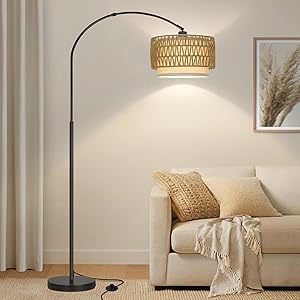
2. Add a Floor Lamp to a Dark Corner
Corners tend to collect shadows in small living rooms.
I like placing a slim floor lamp in one of those corners. It spreads light upward and outward, which helps the room feel more open.
Choose a lamp with a narrow base so it doesn’t crowd the floor space.
This is a simple way to add light without adding visual weight.


3. Use Table Lamps for Soft Lighting
Table lamps are one of the easiest ways to make a room feel cozy.
In a small living room, I usually place one on a side table beside the sofa. It creates a warm pool of light that makes the seating area feel comfortable.
Fabric shades work well here because they diffuse the light gently.
If space is tight, even a compact lamp can do the job.
4. Install Wall Sconces to Save Space
Wall sconces are helpful when side tables are limited.
Instead of taking up surface space, the light is mounted directly on the wall. This keeps the layout functional and uncluttered.
I often place sconces above or beside the sofa. They provide soft lighting without crowding the furniture arrangement.
In small rooms, vertical lighting is often the smartest choice.
5. Choose a Soft Ceiling Fixture
Overhead lighting still plays a role. The key is choosing the right fixture.
For small living rooms with lower ceilings, I prefer:
• flush mounts
• semi-flush lights
• simple fabric drum shades
These spread light evenly without drawing too much attention.
The fixture should support the room, not dominate it.
6. Try Subtle LED Accent Lighting
Accent lighting can quietly change the mood of a room.
A few places where I’ve used it successfully include:
• behind floating shelves
• behind a TV console
• under a shelf unit
• along a bookcase
The glow is soft and indirect, which helps the room feel layered without adding clutter.
It’s a small but smart lighting detail.
7. Use Lamps with Fabric Shades
The type of shade matters more than most people expect.
Hard shades can create sharp light lines. Fabric shades soften the light and spread it more evenly.
In a small living room, softer light feels calmer and easier on the eyes.
Linen or cotton shades work especially well for a warm atmosphere.
8. Place Lights at Different Heights
Lighting works best when it appears at different levels in the room.
For example:
• a ceiling light for ambient lighting
• a table lamp beside the sofa
• a floor lamp in the corner
This layered height creates depth. The room feels fuller without needing more furniture.
It’s one of the easiest ways to make a small layout feel intentional.
9. Use Mirrors to Reflect Light
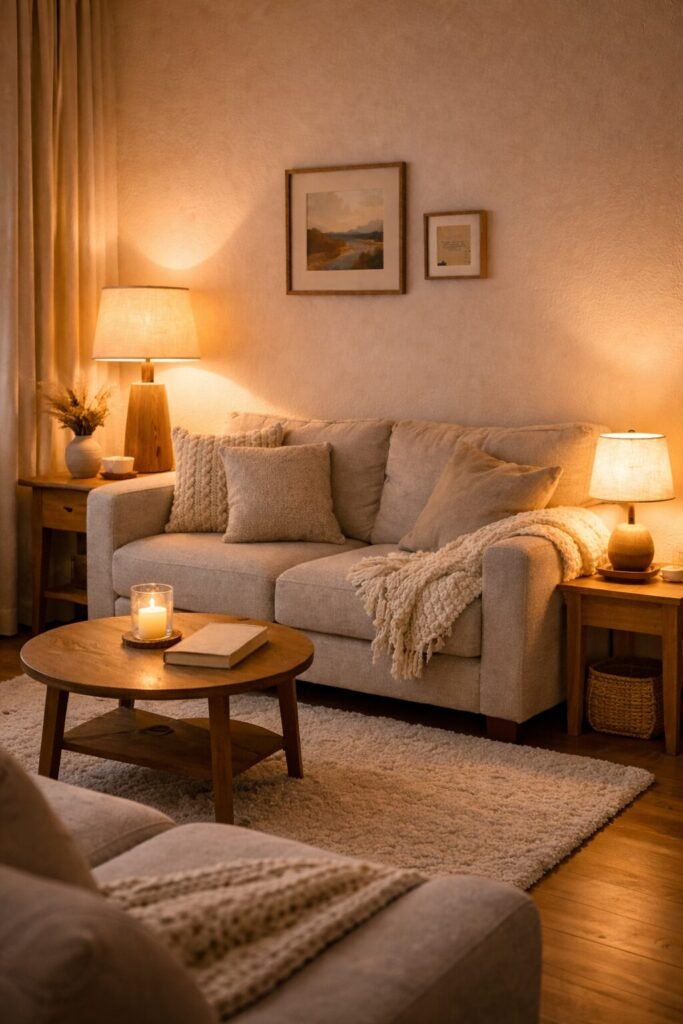
Mirrors can help distribute light across a small room.
I often place a mirror across from a lamp or near a window. The reflection spreads the light and brightens the space naturally.
This works especially well in living rooms that don’t receive much daylight.
A well-placed mirror can double the effect of a single lamp.
10. Add Candles or Small Ambient Lights
The smallest lights often create the most atmosphere.
Candles, small lanterns, or tiny accent lamps add a quiet glow that softens the room in the evening.
I like placing them on:
• coffee tables
• consoles
• shelves
They aren’t necessary for function. They simply make the room feel settled and calm.
Sometimes that’s exactly what a small living room needs.
Common Small Living Room Lighting Mistakes
I’ve made a few of these mistakes myself when working with compact spaces. They’re easy to fix once you notice them.
Relying on one overhead light
This is the most common issue. A single ceiling light leaves shadows around the room.
Using cool white bulbs
Cool light often feels clinical. Warm bulbs are much better for relaxed living areas.
Ignoring corners
Corners often become dark spots. A small floor lamp can balance the room quickly.
Lighting only the center of the room
Spreading light around the edges makes the space feel wider.
Small lighting adjustments often make the biggest difference.
A Simple Cozy Lighting Checklist
When I set up lighting in a small living room, I walk through this quick checklist.
• use warm bulbs around 2700K
• aim for at least three light sources
• add a lamp to at least one corner
• include a mix of floor, table, and wall lighting
• soften light with fabric shades
You don’t need everything at once. Start with one or two additions and see how the room responds.
Final Thoughts
Lighting quietly shapes how a small living room feels at the end of the day.
I’ve found that a thoughtful lighting layout can make even the smallest room feel warm, functional, and intentional. It doesn’t require more space. It just requires placing light where it supports the room.
A small but smart lighting plan often starts with something simple. Sometimes it’s just adding one warm lamp in the right corner.